
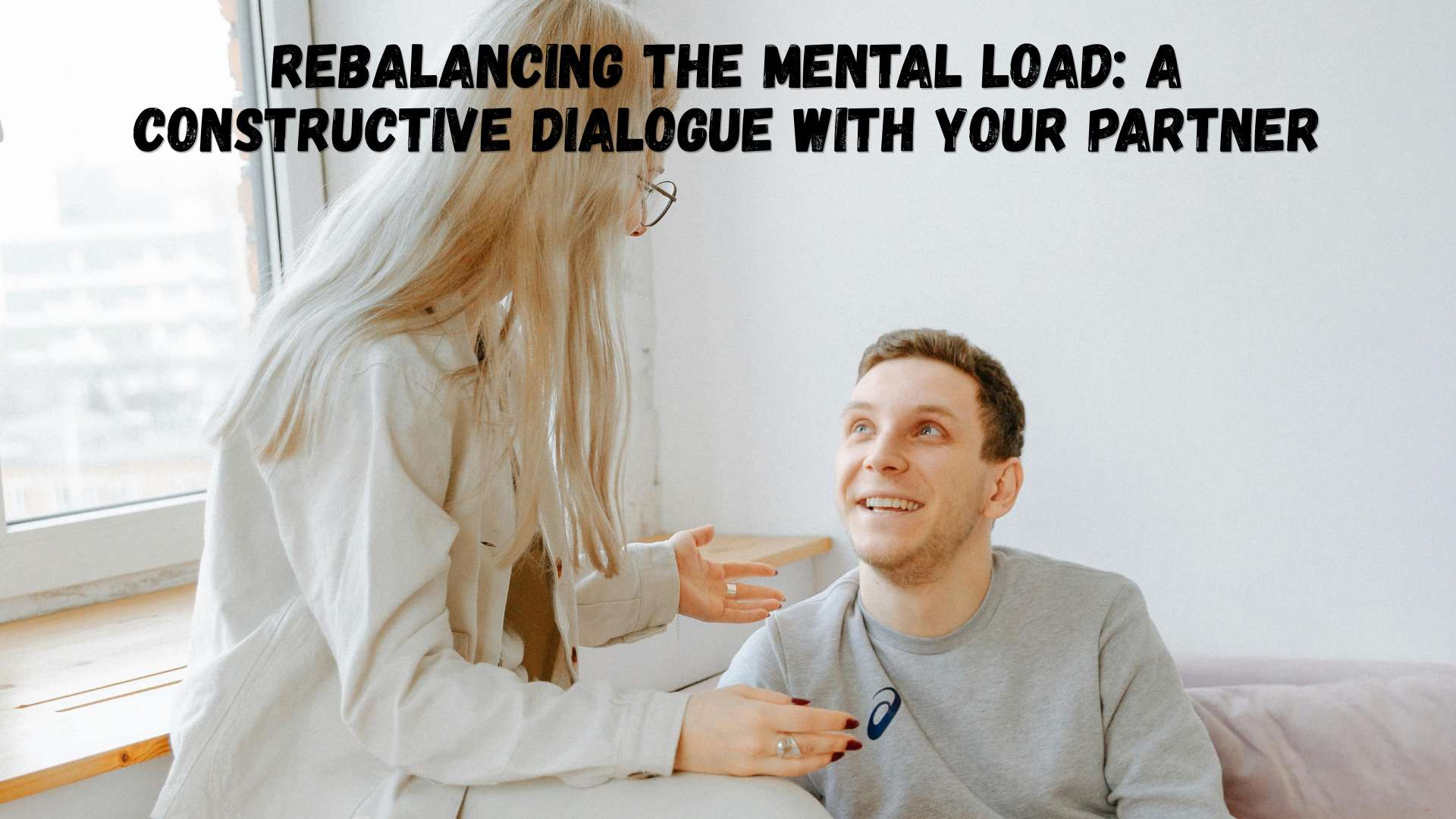
Navigating household responsibilities can often feel like a daunting task, especially when it seems one partner is carrying the mental load alone. If you find yourself feeling overwhelmed by the cognitive labor of managing daily chores, schedules, and responsibilities, it’s time to engage in a constructive conversation with your partner. This dialogue can help foster understanding, empathy, and collaboration in your relationship.
Start by setting the stage for your conversation. Choose a calm moment when both of you are relaxed and open to discussion. Open with appreciation for your partner’s contributions, acknowledging the hard work they do, even if it feels like part of the load still falls on you. You might say, “I really appreciate everything you do around the house. It means a lot to me.” This sets a positive tone and helps your partner feel valued.
Next, express your feelings about the mental load without assigning blame. Use “I feel” statements to convey your experience. For example, “I feel overwhelmed when I have to keep track of all the household tasks on my own.” This approach allows you to share your feelings without your partner becoming defensive. It’s essential to focus on your emotions rather than pointing fingers, which can lead to a more productive conversation.
Then, invite your partner into the conversation by asking for their perspective. Questions like, “How do you feel about our current division of responsibilities?” or “What tasks do you think we could share more equally?” encourage collaboration. This invites your partner to engage in problem-solving rather than simply reacting to your concerns. Understanding their viewpoint can also reveal insights into how they perceive the division of labor.
Once both sides have shared their feelings, it’s time to brainstorm solutions together. Discuss specific tasks that could be reallocated or shared. For instance, if grocery shopping has been your sole responsibility, suggest splitting it up by alternating weeks or shopping together. This not only lightens your load but also allows you both to engage in the process together, reinforcing teamwork.
As you redefine the household roles, set clear expectations. Clarifying who is responsible for what can significantly reduce misunderstandings and resentment. You might say, “Let’s make a list of tasks and divide them in a way that feels fair to both of us.” By establishing agreed-upon responsibilities, you create a mutual commitment to shared duties.
Finally, remember to check in with each other regularly. Rebalancing the mental load is an ongoing process that requires open communication. Schedule time to revisit the conversation, discussing what’s working and where adjustments might be needed. This not only ensures that both partners feel heard but also strengthens the partnership.
Rebalancing household responsibilities is about creating a partnership based on understanding, empathy, and collaboration. By engaging in a calm, constructive dialogue, you can lighten the mental load and foster a healthier, more balanced relationship. Together, you can enjoy a home that feels harmonious and shared, rather than divided and overwhelming.
Discussing the mental load in a relationship requires empathy and understanding. By using open communication, expressing feelings, and collaborating on solutions, partners can create a balanced distribution of household responsibilities. This approach not only lightens the cognitive load but also strengthens the partnership.