
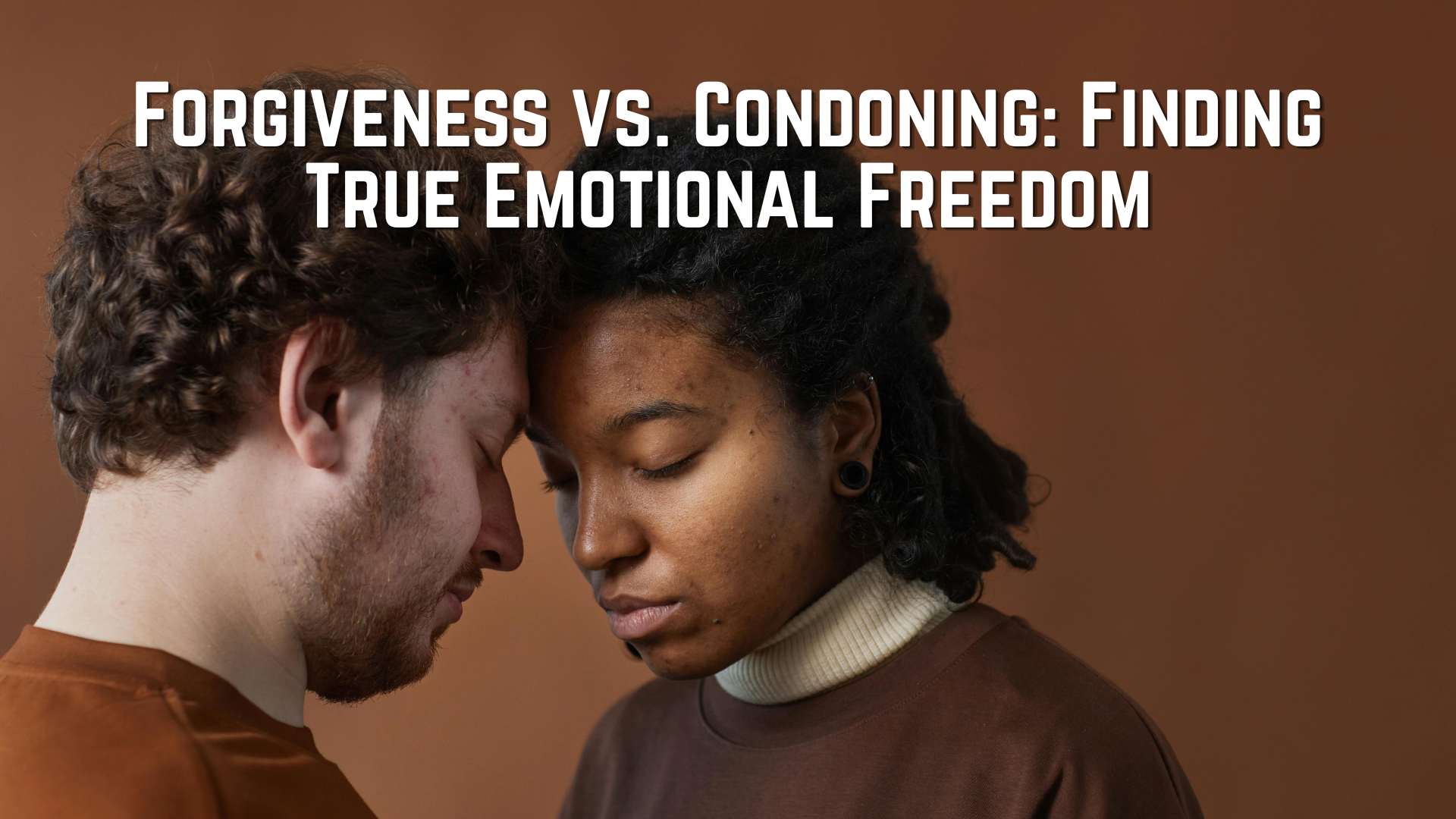
Forgiveness is a powerful tool for healing, but it’s essential to distinguish it from condoning behavior that hurt you. When you truly forgive, you release the emotional burden and allow yourself to move forward without resentment. In contrast, condoning often means suppressing your feelings to maintain peace, which can lead to unresolved issues simmering beneath the surface.
To genuinely forgive, start by acknowledging your feelings about what happened. It’s okay to feel hurt, angry, or confused. These emotions are valid and deserve to be expressed. Use ‘I feel’ statements to communicate your feelings to your partner. For example, saying, ‘I feel betrayed when you did that,’ opens the door for honest dialogue without placing blame.
Leaning back and allowing your partner space to respond is crucial. This shift not only empowers you but also invites your partner to step up and understand your perspective. When they see you embracing your vulnerability, it can trigger their instinct to protect and provide, fostering a deeper emotional connection.
Remember, forgiveness is a process that requires time and self-reflection. It’s important to assess whether you’re genuinely letting go or simply pushing your feelings aside. Allow yourself to feel and process your emotions fully; this will lead to a more authentic and lasting forgiveness.
Ultimately, embracing your feelings while setting boundaries can lead to healthier relationships. By distinguishing between forgiveness and condoning, you give yourself permission to heal and grow, allowing your relationships to flourish in a more meaningful way.
Forgiveness is a journey of emotional healing, distinct from condoning hurtful behavior. By recognizing and expressing your feelings, you can achieve true forgiveness and foster deeper connections in your relationships.